
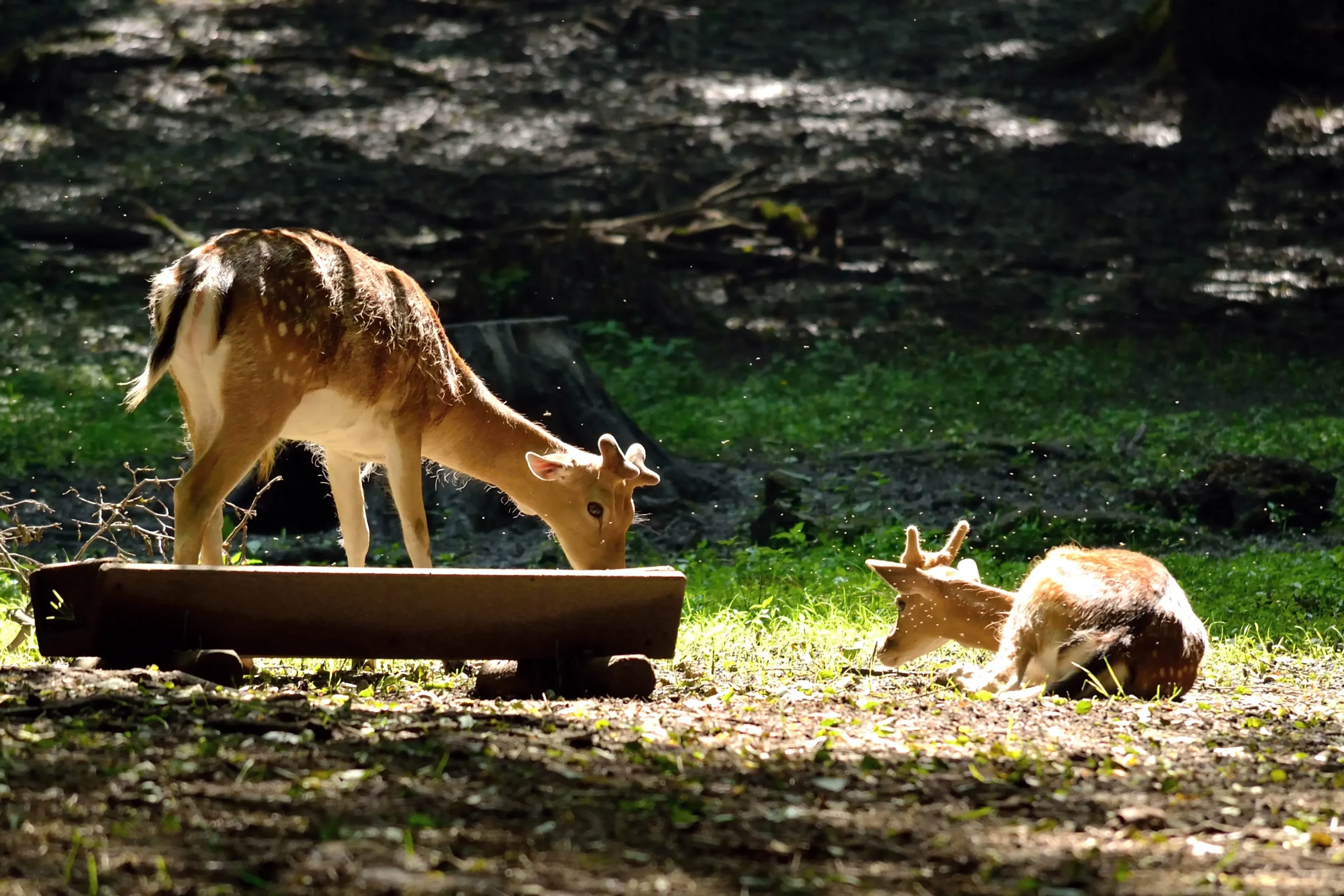
Zoos are significant in creating wildlife awareness to children. Zoos also allow young visitors to gain curiosity and appreciation towards the natural world by availing the opportunity to see animals at a closer distance.
Direct experiences can be the best way of learning among children. Viewing animals physically enables them to relate what is taught in the classroom to actual life. Learning can be more assuring and enjoyable by observing the animal movements, food consumption and interactions with their surrounding.
Numerous zoos have special children programs. These programs can be storytelling sessions, educational games, and guided tours that enable young visitors to learn about various species of animals.
Children also like interactive exhibits. It is through these exhibits that they can get to learn about animal habitats, hear the animal sounds, and learn about conservation in an entertaining and imaginative manner.
Zoos usually run wildlife camps and workshops to school holidays. Through these programs, children are motivated to engage in practical projects like environmental projects, nature exploration and animal care demonstrations.
The other advantage of visiting a zoo is that it will help in educating children on being responsible towards the environment. Children start to get to know about the value of conservation when they are taught about animals under threat and about conservation of habitats.
Visit to zoo can be regarded as a good pedagogical experience to offer parents and teachers the opportunity to encourage children to be interested in wildlife and nature.
Through establishment of interesting and entertaining facilities, zoos contribute to the breeding of future conservationists who will safeguard animals and the environment at a later stage.