
All the animal species have their natural habitat that affords them the means of living. These are forests, grasslands, deserts, oceans among many others. Knowledge of these habitats assists zoos to design appropriate homes to animals that they keep.
The environment affects the behavior, diet and activities of a given animal. To illustrate this point, animals such as those found in forests depend on trees to provide shelter and food and as a result, desert animals have evolved to survive in dry and hot climates.
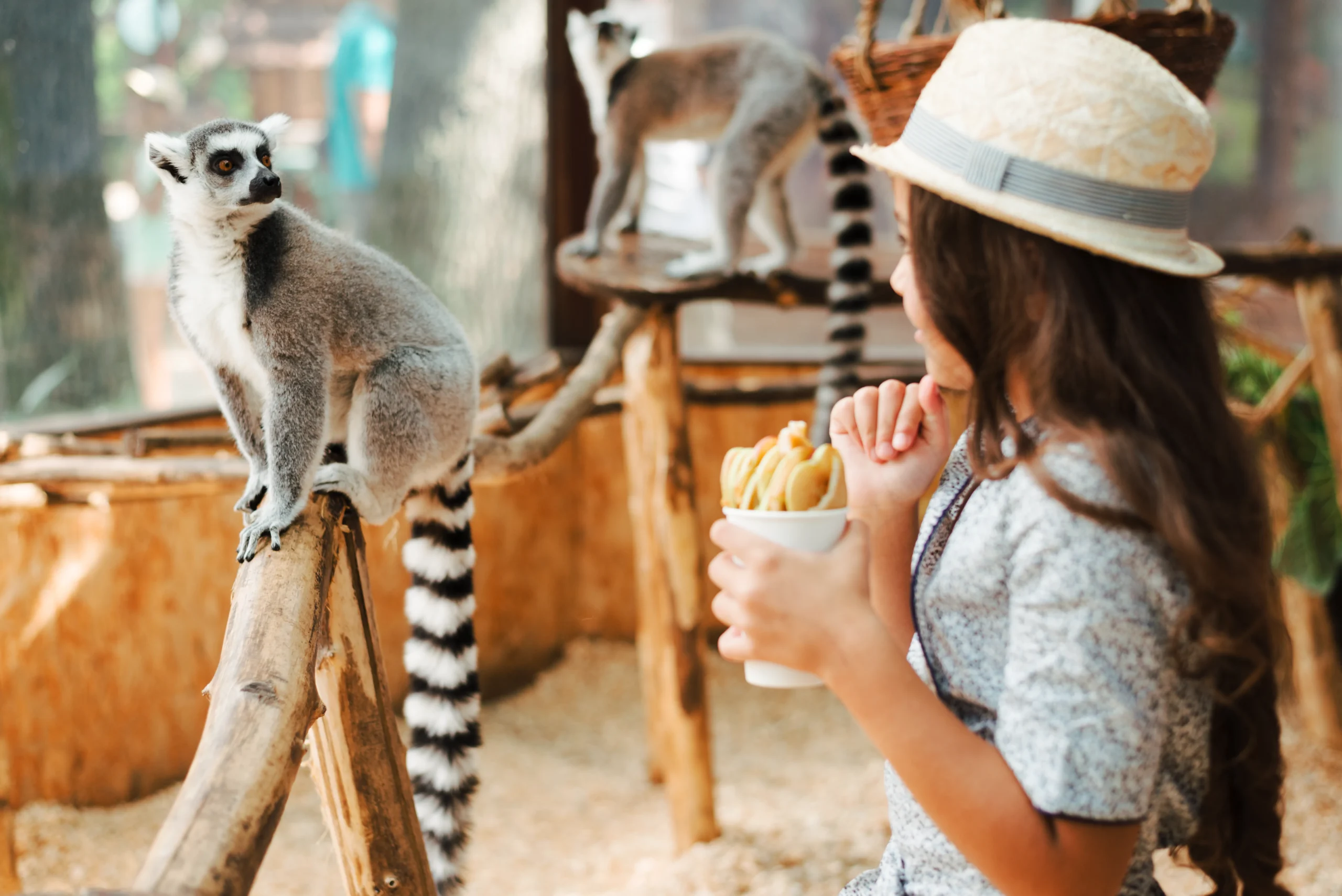
In designing animal enclosures in zoos in modern times, the designers strive to create an environment that is as natural as possible. Various zoos nowadays instead of using small cages they establish the large and naturalistic environment with vegetation and water features and climbing structures.
These environments make animals more at home and they can exhibit natural behaviors of exploring, climbing and food hunting. Provision of right environments also enhances the physical and emotional health of the animals in zoos.
To develop proper habitats, the staff in zoos pays close attention to the requirements of each species. The temperature, humidity, lighting and space needs all should be taken into account to make sure that animals are healthy.
The provision of the right habitats also aids the visitors to become acquainted with the living conditions of the animals in the wild. Along exhibits, educational displays are usually used to describe the nature of the ecosystem around each species, as well as what are the issues affecting the habitat as a result of environmental changes.
The zoos play a better role by creating natural environments where animals are taken care of and the visitors are encouraged to learn how essential the care of wildlife environment is in the world environment.