
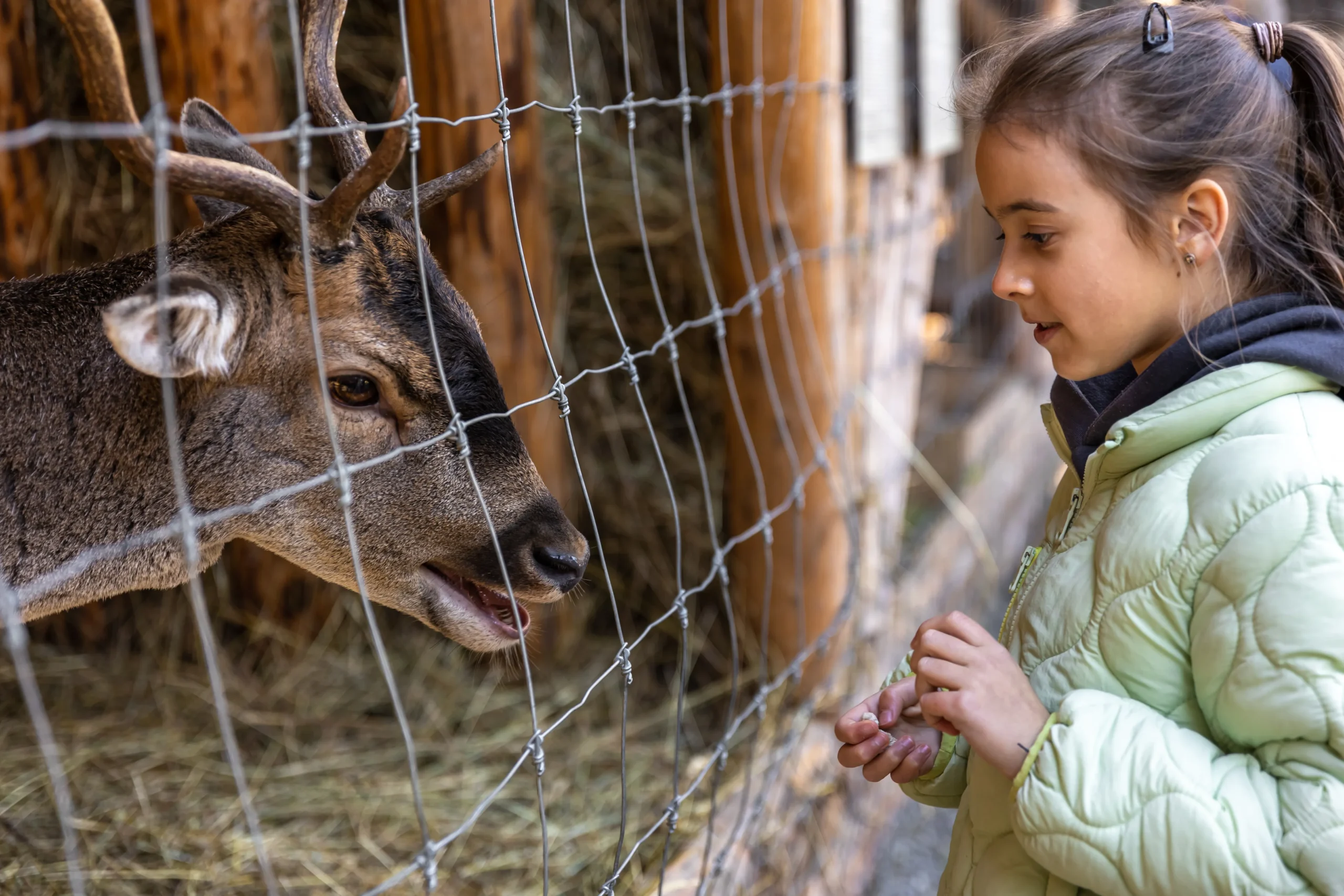
Animal enrichment is a significant point in the management of zoos. Enrichment activities are aimed at keeping the animals physically and mentally active so that they start acting like in the wild.
Animals in the natural habitats spend most of their time searching food, investigating the environment, and communicating with other animals. Enrichment activities contribute to reproducing such experiences in the wild in zoo settings.
It is typical to hide food in various places in an enclosure as one of the enrichment methods. This stimulates foraging and searching activities in animals and this is similar to the act of hunting or foraging food in the wild. The animals are frequently challenged by means of puzzle feeders and food-dispensing toys which keep them occupied.
Environmental enrichment can also be a process that involves introduction of new objects or structures in an enclosure. Animals are given the chance to play around on climbing frames, water pools and areas where they can dig.
The other method employed by zookeepers is sensory enrichment. The use of various scent, sound or texture is effective in making an animal senses more active and makes its environment exciting.
Social enrichment is relevant among animals which are known to live in groups. To prevent accidents and maintain the safety and well-being of every animal, zoos pay a close attention to animals groups to offer them an opportunity to socialise.
Such enrichment programs enhance the quality of life of animals in zoos by making their lives less tedious and motivating them to behave naturally. They also give the visitors a chance to see more active and engaging animal activities.
Animal enrichment is the expression of intentions of contemporary zoo to high quality of animal care and welfare.